Back to Knowledge
Zodiac Horoscope Categories
 Zodiac Assistant
2026-08-28
About 3 min read
Libra + Pisces + Online friend
Zodiac Assistant
2026-08-28
About 3 min read
Libra + Pisces + Online friend
Category: Returning Information to Order, Returning Experience to Intuition
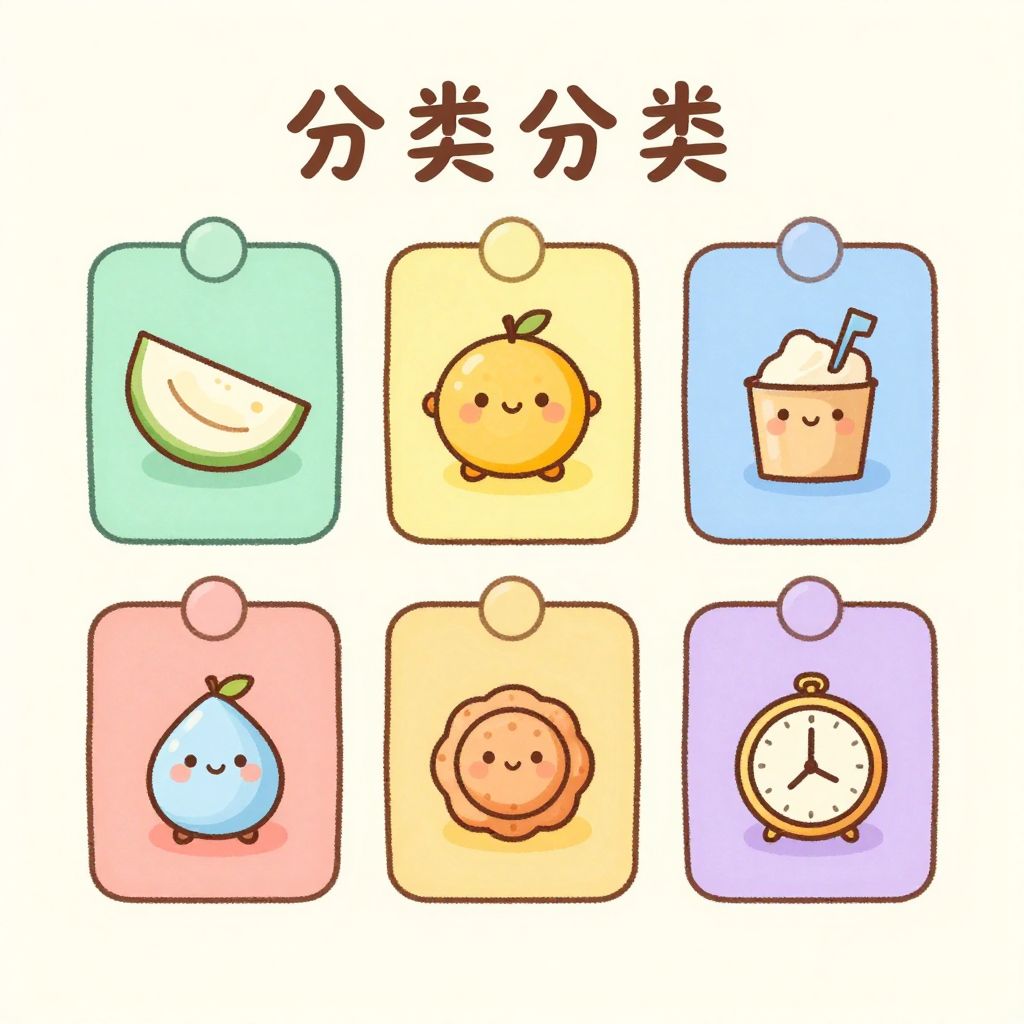 In today’s information explosion, it seems we battle “disorder” every day. Open an e-commerce platform and face thousands of products; log into a knowledge base and drown in massive amounts of documentation; or simply organize your phone’s photo album, staring helplessly at thousands of screenshots. At such moments, “categorization” is no longer just a technical term, but a survival wisdom.
Many people misunderstand “categorization,” thinking it is merely about applying tags or creating folders. In reality, true categorization establishes a logical order to reduce cognitive load. Imagine walking into a supermarket where all products are piled together in one area, with no distinction between fresh produce, daily necessities, or groceries. If you need to find a bottle of soy sauce, you might have to search through half the store. This chaos consumes not only physical energy but also patience. Websites and apps are no different; a good categorization system serves as the user’s “navigation map.”
So, how do we build a categorization system that is both scientific and human-centric?
First, the user perspective must take precedence over the management perspective. Many back-end administrators prefer to categorize by “stock-in time” or “internal ID,” but this holds no meaning for front-end users. Users care about “what is this” and “when do I need it.” For example, on an e-commerce site, rather than subdividing by brand, it is better to start with “scenarios”—is it for “gift-giving,” “personal use,” or “office work”? This type of scenario-based classification often hits user needs more precisely.
Second, hierarchy should be moderate to avoid the “maze effect.” Categorization is not better the finer it gets. Overly granular categories can lead to decision paralysis, causing users to leave because they cannot find the entry point. Generally, keeping primary categories within 5–9 and secondary categories under three levels aligns with the “golden zone” of human short-term memory. If a category contains insufficient content, consider merging it or displaying it as a sub-attribute rather than creating a separate entry point.
Finally, categorization must be dynamic. Markets change, and user needs evolve; a categorization system cannot remain static. Regularly analyze back-end data to see which categories are frequently accessed and which remain idle for long periods, optimizing accordingly. Additionally, provide “tags” as a supplement, allowing users to cross-filter by multiple dimensions (such as color, material, or style) to compensate for the rigidity of fixed categories.
Ultimately, the essence of categorization is respect. It is respect for users’ time, their intuition, and the value of information. A good categorization system should be like air: usually unnoticed, but once absent, it feels suffocating.
In this era of scarce attention, whoever helps users find the answers they want faster wins their trust. Returning information to order and experience to intuition may well be the greatest charm of categorization.


 Related Articles