Back to Knowledge
Why Leo Can't Sleep at Night: Zodiac Insights
 Zodiac Assistant
2026-10-10
About 3 min read
Zodiac Assistant
2026-10-10
About 3 min read
In the quiet of the night, when all is still and most have drifted into sleep, the bedside lamp of a Leo often remains on. This is no coincidence; it reflects a subtle yet stubborn bond between this fire sign and the late hours. Many Leos share this experience: they are energetic, even dominant and in control, during the day, but as the sun sets, a tide of late-night insomnia begins to rise. Behind this lies a unique psychological mechanism specific to Leo.
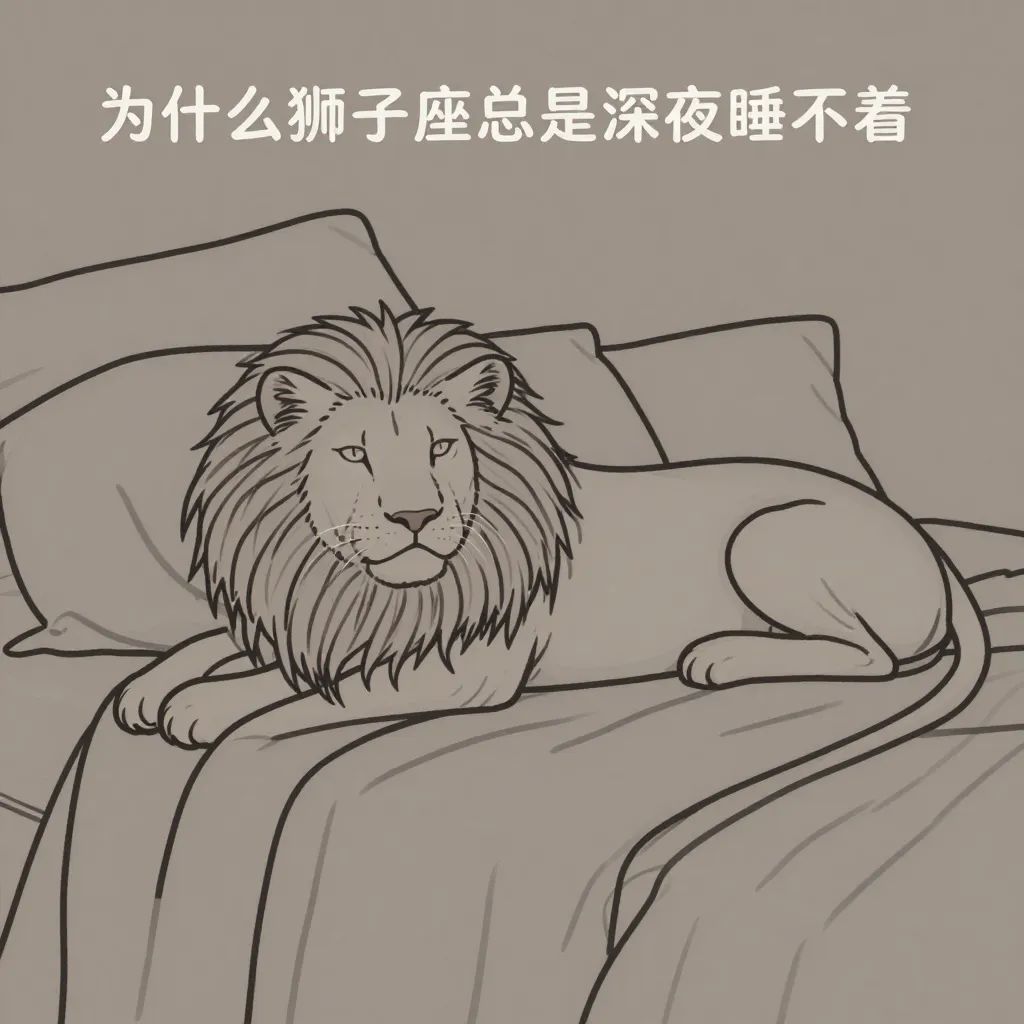 First, during the day, Leo is the king under the spotlight. In the workplace and social circles, they are accustomed to playing the role of the caregiver who leads the pace. This high-intensity emotional output and energy expenditure do not completely reset the moment work ends. Instead, the day’s “performance” creates a deep sense of emotional fatigue for Leos. They need the private space of the late night to shed their hard armor and rediscover their true selves. Their insomnia at this hour is essentially a psychological process of “removing makeup.” They crave solitude, a space free from judgment and expectations, where they can simply exist. This desire for room to breathe makes them particularly alert at night, as it is the only time of day they can fully control.
Second, Leos possess a strong innate desire for expression and self-esteem. If there are unresolved conflicts, unspoken words, or lingering fixations on minor details from the day, these emotions are magnified in the quiet of the night. Leo’s thinking is divergent and passionate; they dislike suppression and prefer to repeatedly review the day’s gains and losses in their minds. This reflection often carries a dramatic flair, as they imagine what might have happened if they had been wittier or worry whether others truly understand them. This cognitive habit keeps the brain in a highly active state, making it difficult for them to calm down and enter sleep mode as easily as earth signs might.
Furthermore, Leos have an almost obsessive pursuit of “ritual” and “control.” The late night is not just a time concept for them but an extension of their attitude toward life. They might be binge-watching a compelling drama, reading a captivating book, or simply staring into space while listening to music. The pleasure and sense of control derived from these activities serve as compensation for the busy life during the day. Even knowing they must wake up early the next morning, Leos often hesitate to turn off that light, because that moment of tranquility and beauty is their weapon against the mundane routine.
Therefore, Leos’ inability to sleep at night is not merely physiological insomnia, but a form of psychological self-repair and emotional release. They need to confirm their sense of existence in the darkness and rekindle the flame within them during this uninterrupted time. Rather than forcing oneself to fall asleep immediately, it is better to accept this wakefulness. Brew a cup of hot tea, listen to soothing music, and allow yourself to be the authentic, soft, and free individual you are in the dead of night. After all, for Leos, only by truly resting can they shine brightly and illuminate the world the following day.


 Related Articles